Introduction
Rather than layering countless toppings, Italian pizzaiolos focus on achieving harmony between dough, sauce, and carefully chosen ingredients.
At Arancina, every pizza reflects this philosophy, allowing each element to shine without overpowering the whole. Italian pizza has endured for generations because it never tries to be anything other than what it is: honest, balanced, and beautifully made. In Notting Hill, Arancina Pizzeria continues this legacy, offering pizza that celebrates tradition while delivering unforgettable flavour.
For those seeking pizza in Notting Hill that honours authenticity, Italian pizza remains unmatched.
What Makes Italian Pizza Different from Other Styles Around the World
This is pizza in its purest form: uncomplicated, thoughtfully crafted, and driven by flavour rather than excess.
Dough That Takes Time and It Shows
The defining feature of authentic Italian pizza is its dough. Made from a simple blend of flour, water, salt, and yeast, the dough undergoes extended fermentation to develop natural flavour and structure.
- What makes Italian pizza dough exceptional:
- Soft and thin through the centre
- Light, airy edges with natural bubbles
- Easy to digest and never heavy
- Hand-shaped for a natural finish
This slow, deliberate process creates a base that enhances every topping without competing with it.
- Quality Ingredients, Used with Restraint
Italian pizza relies on the integrity of its ingredients. Fresh tomatoes, premium mozzarella, aromatic basil, and high-grade olive oil are used sparingly, because when ingredients are this good, less truly is more.
This approach ensures that every bite delivers clarity of flavour, rather than richness for the sake of it.
- Fresh Tomato Sauce, Italian Style
Unlike many international pizzas that feature thick, heavily seasoned sauces, Italian pizza embraces freshness. The sauce is often made from crushed tomatoes with minimal handling, preserving their natural acidity and sweetness.
The result is a lighter base that complements the dough and cheese instead of dominating them.
- The Power of the Wood-Fired Oven
Italian pizza owes much of its character to the way it’s cooked. High-temperature wood-fired ovens bake pizzas in minutes, creating textures that can’t be replicated elsewhere.
The result:
- Gently charred, blistered crust
- Soft interior with a delicate bite
- Subtle smokiness from the fire
This method delivers the unmistakable taste and texture associated with exceptional Italian pizza in Notting Hill.
How Italian Pizza Compares to Other Styles
Understanding Italian pizza becomes even clearer when compared to global interpretations.
Italian Pizza
- Light structure and minimal toppings
- Individual portions
- Often enjoyed with a knife and fork
- Focus on balance and freshness
Other Styles
- Thicker bases and heavier toppings
- Designed for sharing or eating on the go
- Richer, more filling profiles
Italian pizza prioritises refinement, while many other styles emphasise abundance.
The Roots of Italian Pizza and Its Traditional Origins
Early Flatbreads
Long before modern pizza, ancient Mediterranean cultures baked flatbreads topped with oils and herbs. These early practices shaped the foundations of what pizza would become.
The word “pizza” itself dates back over a millennium, reflecting the tradition of hand-worked dough that remains central to Italian pizza today.
Naples Takes Shape
Pizza found its true identity in Naples between the 17th and 19th centuries. As a working port city, it needed food that was quick, affordable, and satisfying.
Wood-fired dough topped with tomatoes and cheese became a staple, defining the essence of Italian pizza.
Tomatoes Change Everything
Initially mistrusted, tomatoes eventually transformed pizza. Their acidity and freshness brought balance, turning a simple flatbread into a refined dish rooted in flavour and simplicity.
The Margherita Legacy
A defining moment came with the creation of the Margherita pizza. Tomatoes, mozzarella, and basil reflected the Italian flag and set the standard for authentic Italian pizza.
What Defines Italian Pizza
Traditional Italian pizza is guided by restraint and quality:
- Simple, fermented dough
- Minimal, premium toppings
- High-heat wood-fired baking
- Thin centres with airy, charred edges
Regional Styles
While Naples is pizza’s heart, styles vary across Italy. Roman pizza, for example, is crisp, rectangular, and sold by the slice, yet always ingredient-driven.
From Italy to London
As pizza spread globally, the Italian original remained unmatched. At Arancina Pizzeria in Notting Hill, this heritage continues, bringing authentic Italian pizza, rooted in tradition, to London’s dining scene.
Order Italian Pizza Notting Hill
Why Italian Pizza Focuses on Balance, Not Excess
Italian pizza is not designed to overwhelm. At its heart lies a philosophy of restraint, where every element serves a purpose, and nothing competes for attention. This approach, deeply rooted in Italian culinary tradition, is what gives authentic pizza its elegance, digestibility, and lasting appeal.
At Arancina Pizzeria in Notting Hill, this balance defines every pizza served.
Quality Before Quantity
Traditional Italian pizza relies on a small number of exceptional ingredients rather than heavy layering.
- Carefully sourced tomatoes for freshness and acidity
- Fresh mozzarella that melts gently, never overpowering
- Extra virgin olive oil used with intention, not excess
This minimalist approach allows each flavour to remain distinct, creating harmony rather than heaviness.
Dough as the Foundation
In Italian pizza-making, the dough is the centrepiece.
- Naturally fermented for lightness and easy digestion
- Thin at the centre, airy at the edges
- Designed to support toppings, not be buried beneath them
A well-crafted base ensures the pizza feels satisfying without being dense or tiring.
A Complete, Individual Meal
Italian pizza is traditionally made for one person and enjoyed as a complete dish.
- Balanced portions prevent excess
- Toppings are measured, not piled
- The result is flavour clarity and comfort
This philosophy ensures the pizza remains enjoyable from the first bite to the last.
Rooted in Tradition
The Italian approach comes from cucina povera—a style of cooking built on simplicity, respect for ingredients, and thoughtful preparation.
Rather than relying on abundance, Italian pizza celebrates precision, cultural heritage, and natural balance.
Italian Balance in Notting Hill
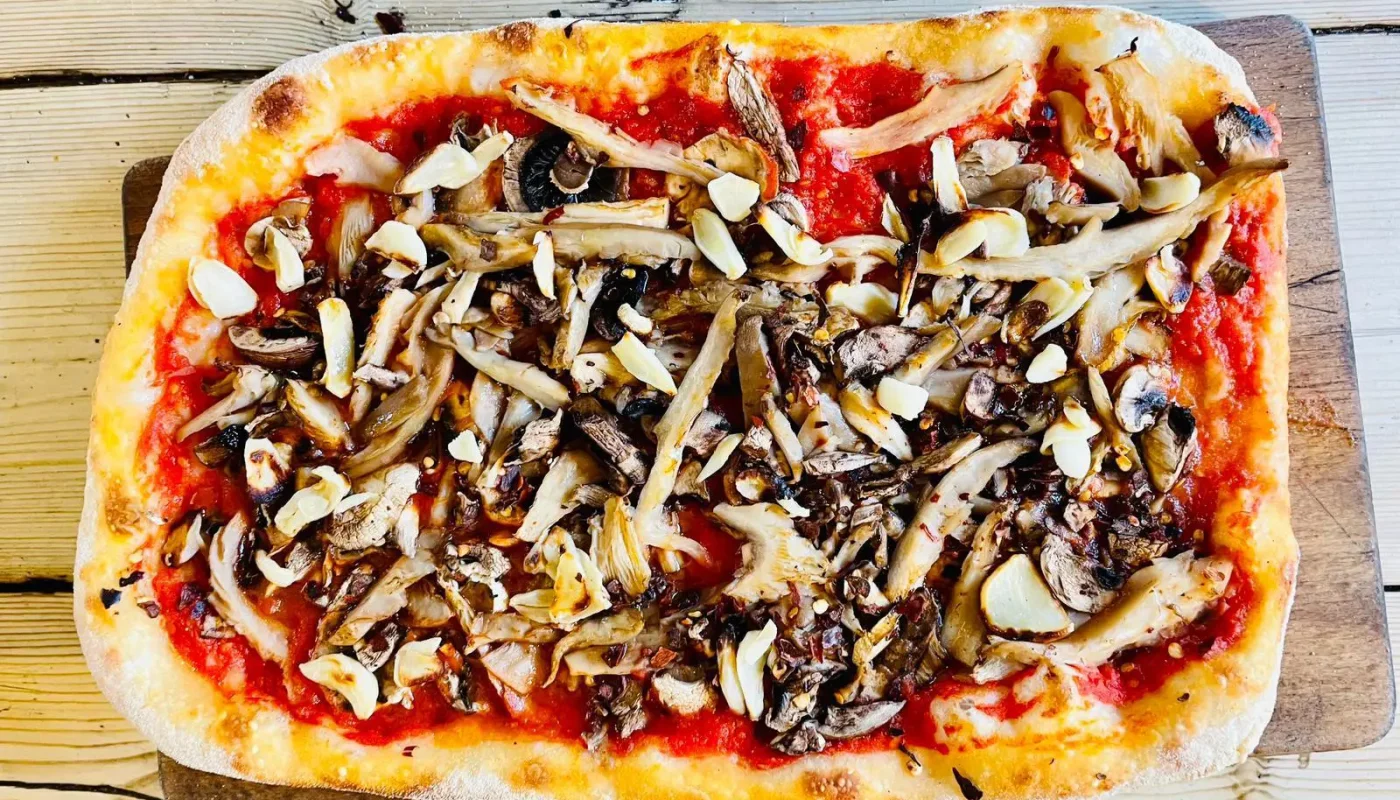
At Arancina Pizzeria, this time-honoured philosophy is brought to life in Notting Hill. Every pizza reflects the Italian belief that less, when done well, delivers more flavour, including mushrooms & rosemary, beef ragu & mozzarella, cacio & pepe, nduja & chilli, cavolo nero & goat cheese, more enjoyment, and more authenticity. Italian pizza isn’t about excess. It’s about getting it exactly right.
How Dough and Fermentation Shape Authentic Italian Pizza
Authentic Italian pizza begins long before it reaches the oven. Its character is shaped by time, technique, and restraint, particularly through dough preparation and fermentation.
The Importance of Slow Fermentation
Slow fermentation allows Italian pizza dough to develop deeper flavour, improved digestibility, and a light structure. This patient process creates a complexity that rushed methods simply cannot match. This patience results in a subtle complexity that cannot be achieved through fast production methods.
Simple Ingredients, Precise Balance
Traditional Italian dough uses just a few carefully chosen ingredients: fine flour, water, salt, yeast, and sometimes olive oil, balanced for purity, texture, and performance. The dough remains soft and elastic, requiring careful handling rather than mechanical force.
Hand-Shaping Makes the Difference
Authentic Italian pizza is shaped by hand, gently stretching the dough from the centre outward to preserve air and create a light, airy crust, never flattened with a rolling pin. This technique produces a thin centre with a soft, airy edge, never heavy or bread-like.
Heat, Speed, and Texture
Baked at intense heat, Italian pizza cooks in seconds, sealing in moisture while creating a lightly charred, soft crust. This rapid process preserves clean, balanced flavours and a delicate texture. The result is pizza that is crisp, airy, and easy to enjoy in one sitting.
Comparing Italian Pizza with Popular Global Styles
Italian pizza is often misunderstood outside Italy. While many global versions celebrate size, toppings, and indulgence, traditional Italian pizza is built on restraint, precision, and balance.
The Italian Approach: Simplicity First
Classic Italian pizza, especially the Neapolitan style, is defined by what it doesn’t include. The focus is on a light, hand-crafted base, fresh ingredients, and fast cooking at extremely high temperatures. The result is a pizza that feels complete without being heavy.
Key traits of traditional Italian pizza:
- A thin, soft centre with a light, airy edge
- Fresh tomato sauce made from crushed tomatoes
- Minimal use of high-quality mozzarella
- Few toppings, carefully chosen
- Baked quickly in intense heat for balance and digestibility
Each element supports the dough rather than overpowering it.
American Pizza: Built for Abundance
Many American pizza styles are designed with convenience and indulgence in mind. Thicker bases, generous cheese, and multiple toppings are common, creating a more filling and robust meal.
Popular variations include:
- New York style: Large, foldable slices with a firmer crust
- Chicago deep-dish: Thick, layered, and baked like a savoury pie
- Detroit style: Rectangular, airy dough with crisp, cheesy edges
These styles prioritise richness and variety over lightness.
Other Global Interpretations
Around the world, pizza has adapted to local tastes. Roman pizza is often crisp and sold by the slice, Sicilian pizza is thick and spongy, while Californian styles experiment with creative and unconventional toppings. Each has its charm, but all differ from the Italian emphasis on restraint.
Why Italian Pizza Continues to Win Over Notting Hill Diners
Authentic Craftsmanship
Italian pizza prioritises technique and balance:
- Light, airy crusts with depth of flavour
- High-heat wood-fired baking for texture and aroma
- Hand-stretched dough preserving natural air pockets
Premium Ingredients
Fewer, high-quality toppings define the taste:
- Fresh mozzarella, ripe San Marzano tomatoes, olive oil
- Seasonal, natural ingredients for clean, distinct flavours
The Dining Experience
More than just a meal, Italian pizza offers comfort and connection:
- Warm, inviting atmospheres
- Relaxed, family-style service
- A sense of nostalgia and tradition
Conclusion
Notting Hill’s appreciation for quality, culture, and craftsmanship makes it a natural home for authentic Italian pizza. Arancina Pizzeria captures this spirit by offering a dining experience rooted in Italian tradition while fitting seamlessly into London’s modern food scene.
Each pizza reflects heritage, skill, and respect for simplicity, qualities that define true Italian cooking.
